Over the past two decades, Australia has accumulated considerable experience with whole-of-government missions in complex environments, including in the Solomon Islands and Timor-Leste.
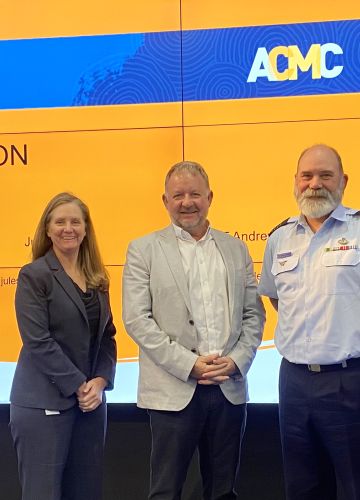
Moving past the theoretical by drawing together the real-life experiences, reflections and lessons of male leaders from the Australian Defence Force, the Australian Federal Police and civilians.
The Foreign Policy Adviser provides subject matter expertise in Peacebuilding, Conflict Prevention, Crisis Recovery, and Disaster Risk Reduction. As a seconded officer of the Department of Foreign Affairs and Trade, the Advisor can advocate for their home agency while supporting the work of ACMC.
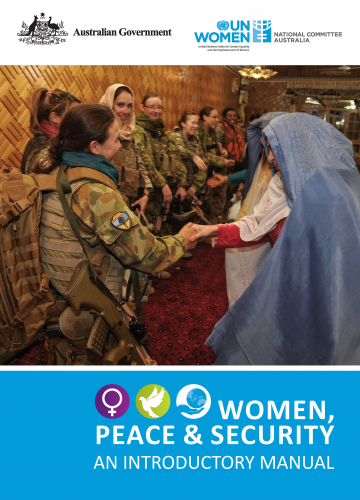
The United Nations’ Women, Peace and Security (WPS) agenda has emerged over the past decade and a half as a significant cross-cutting thematic program for achieving global peace and security.
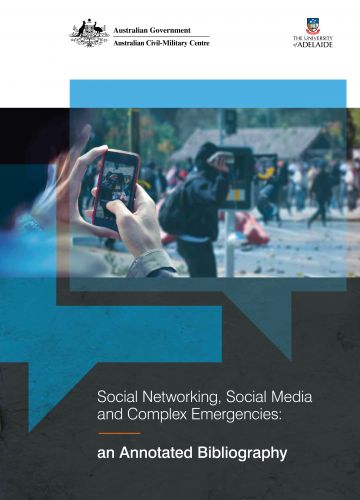
The role that new media and communications technologies have played in the recent ‘Arab Spring’ uprisings, as well as in recent disaster responses, has sparked a large amount of academic and professional interest.
The Indo-Pacific is the world’s most disaster-prone region. The increasing frequency and severity of natural disasters requires government agencies, militaries and NGOs to consider how they can better prepare and respond to crises together.
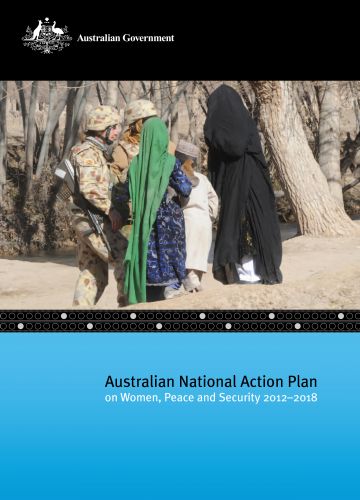
The National Action Plan sets out what Australia will do, at home and overseas, to integrate a gender perspective into its peace and security efforts, protect women and girls’ human rights, and promote their participation in conflict prevention, management and resolution. ACMC has a role in the design and implementation of this plan.
The civil-military-police community is as diverse as it is broad. It contains a wide range of actors who employ a variety of methodologies and techniques, use unique equipment and often pursue different objectives in service of different masters.