


Civilians pay the heaviest price during armed conflict.
Published
Enhancing the protection of Civilians - Background paper
A background paper prepared for the Australian Government’s Asia Pacific Civil-Military Centre of Excellence
Published
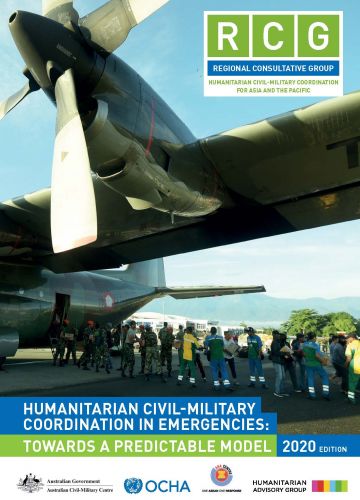
Humanitarian Civil-Military Coordination in Emergencies: Towards a Predictable Model
The Regional Consultative Group (RCG) on Humanitarian Civil-Military Coordination (CMCoord) for Asia and the Pacific is a key forum for supporting and elevating coordination, building relationships, and sharing learning to enhance and strengthen emergency response.
Published
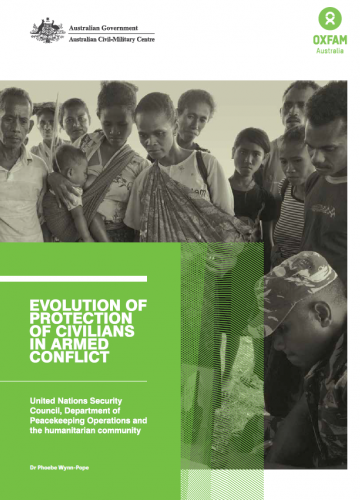
Evolution of Protection of Civilians in Armed Conflict
This paper is the first contribution to a broader research project that aims to determine whether the perceived disconnect between actors involved in protection work is real or anecdotal.
Published
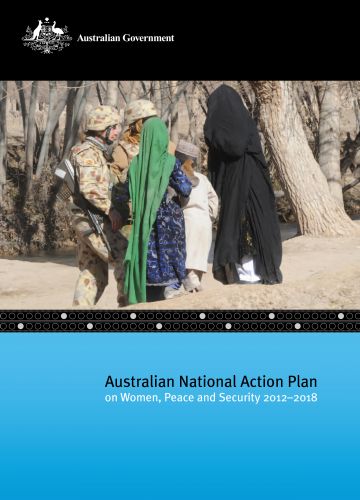
Australian National Action Plan on Women, Peace and Security 2012-2018
The National Action Plan sets out what Australia will do, at home and overseas, to integrate a gender perspective into its peace and security efforts, protect women and girls’ human rights, and promote their participation in conflict prevention, management and resolution. ACMC has a role in the design and implementation of this plan.
Director, Concepts and Capability
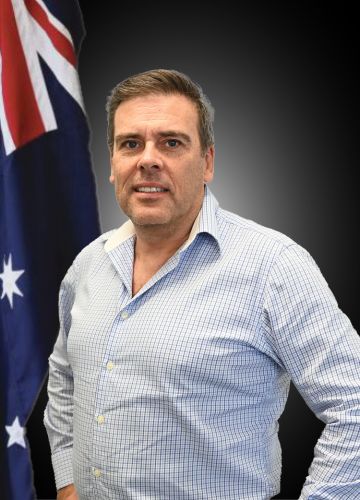
Mr Brian Boulton, AM, CSC
The Concepts and Capability Directorate integrates cross-agency programs on emerging civil-military-police concepts with research and initiatives building capability through preparedness, lessons and evaluation, and humanitarian-government coordination. The Directorate also includes ACMC’s Business Operations and Governance functions.
Article date
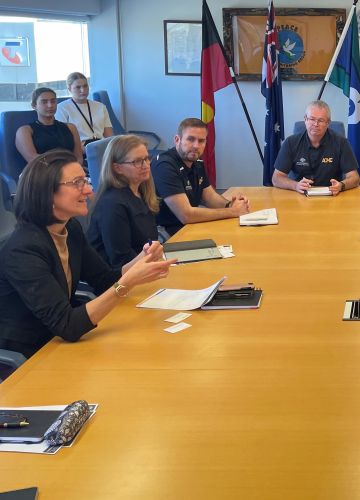
While States’ obligations to protect civilians in times of conflict are clear, what happens when a non-state armed group is the
de-facto authority? ACMC hosted senior visitors from advocacy group Geneva Call to explore this challenging issue.
Article date
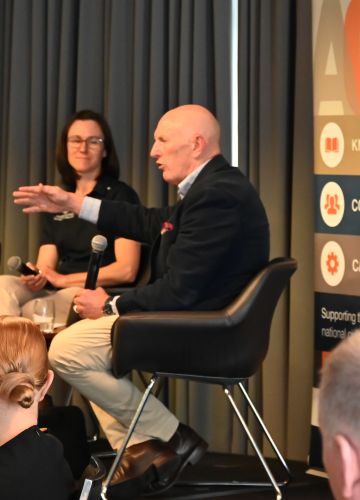
The course built participants’ awareness of core POC principles and frameworks and included sessions focussed on the Laws of Armed Conflict, socially inclusive protection approaches, cultural property protection and the implications of climate change for POC.
Article date
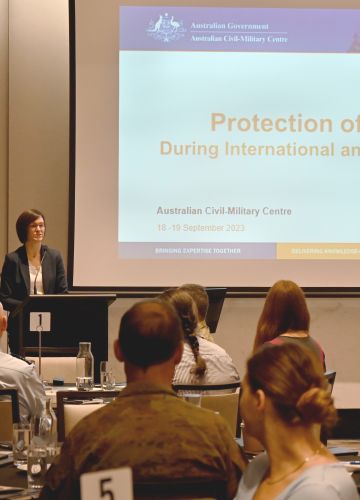
ACMC convened a workshop to consider the changing context of Protection of Civilians (POC) and identify emerging challenges and avenues to minimise the risk to civilians in crisis.